


Practical Strategies for Resilience: Building Strength from Within
Life can sometimes feel overwhelming. Challenges, setbacks, and unexpected changes test your spirit and your ability to cope. But within you lies a remarkable capacity to bounce back, adapt, and grow stronger. This inner strength is called resilience. It’s not something you’re simply born with; it’s a skill you can nurture and develop over time.
In this post, you’ll discover practical strategies for resilience that can help you face life’s difficulties with greater confidence and calm. These approaches are accessible, and designed to support your mental and emotional well-being. Let’s explore how you can build resilience in your daily life.
Understanding Strategies for Resilience
Resilience is more than just enduring tough times. It’s about learning to navigate adversity with flexibility and hope. When you cultivate resilience, you create a foundation that supports your emotional health and personal growth.
Some key strategies for resilience include:
Building strong connections with supportive people
Practising self-care to maintain your physical and emotional energy
Developing a positive mindset that focuses on possibilities rather than problems
Setting realistic goals and taking small steps toward them
Learning from experiences instead of being overwhelmed by them
These strategies work together to help you feel more grounded and capable, even when life feels uncertain.

How to Build Resilience in Everyday Life
You might wonder how to build resilience in practical terms. It starts with small, intentional actions that gradually strengthen your ability to cope. Here are some ways to begin:
Connect with others: Reach out to friends, family, or support groups. Sharing your feelings and experiences can lighten your emotional load and remind you that you’re not alone.
Take care of your body: Regular exercise, balanced nutrition, and enough sleep are essential. When your body feels good, your mind is better equipped to handle stress.
Practice mindfulness: Simple breathing exercises or meditation can help you stay present and reduce anxiety. A helpful first step is long, deep breathing — something you can practise at any moment, in any place, to steady your body and mind.
Focus on what you can control: Instead of worrying about things beyond your influence, concentrate on actions you can take. Ask yourself, Is this within my control? If not, redirect your thinking toward what’s actually possible for you in this moment.
Celebrate small wins: Acknowledge your progress, no matter how minor it seems. This builds confidence and motivation. Take five minutes to sit with a hot drink and recognise what you achieved, even if it was tough. This simple moment of appreciation can help your mind move toward a more positive outlook.
By incorporating these habits into your routine, you create a resilient mindset that supports you through challenges.
What are 10 ways to build resilience?
Here are ten practical ways you can strengthen your resilience starting today:
Cultivate optimism: Try to see setbacks as temporary and solvable.
Develop problem-solving skills: Break problems into manageable smaller parts and brainstorm solutions.
Maintain perspective: Remember that difficulties are part of life’s journey, not the whole story.
Set boundaries: Learn to say no and protect your energy. Share your time only when you have enough to give without depleting yourself.
Seek professional support: Talking to a counsellor or therapist can provide valuable tools and insights.
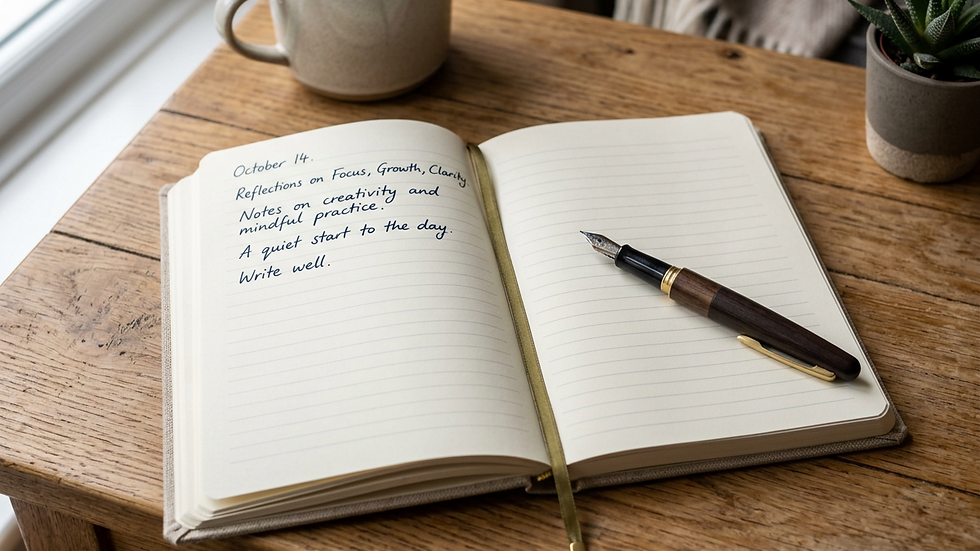
Engage in creative activities: Art, music, or writing can be therapeutic outlets.
Practice gratitude: Regularly note things you appreciate to shift focus from negatives.
Stay flexible: Be willing to adapt your plans and expectations.
Build self-awareness: Understand your emotions and triggers to respond thoughtfully.
10. Nurture hope: Keep a vision of a positive future to inspire perseverance.
Each of these steps helps you build a toolkit for resilience that you can draw on whenever life feels tough.
The Role of Self-Compassion in Resilience
Being kind to yourself is a powerful resilience strategy. When you face setbacks, it’s easy to fall into self-criticism. But this only adds to your stress and makes recovery harder. The human brain learns through mistakes — it’s built that way. Each one expands your self‑knowledge and helps you make sense of the world around you.
Instead, try to treat yourself as you would a close friend. Offer understanding, patience, and encouragement. Self-compassion helps you:
Reduce feelings of shame or failure
Increase emotional strength
Foster a sense of safety and acceptance
You can practise self-compassion by speaking gently to yourself, acknowledging your efforts, and allowing space for mistakes. This nurturing attitude creates a supportive inner environment where resilience can flourish.
Moving Forward with Confidence and Calm
Building resilience is a journey, not a destination. It takes time, patience, and practice. But every step you take strengthens your ability to face life’s ups and downs with grace.
Remember, you don’t have to do this alone. Support is available, and reaching out is a sign of strength, not weakness. If you want to learn more about how to build resilience, there are many resources and professionals ready to help guide you.
By embracing these practical strategies for resilience, you’re investing in your well-being and creating a foundation for lasting personal growth. Take a deep breath, be gentle with yourself, and know that you have the inner strength to thrive.
Thank you for spending this time nurturing your resilience. May you find peace and strength in every step you take.


Comments